We rarely give much thought to the chairs we sit in every day. They are functional, familiar objects built specifically to hold the human body. Yet in the fine art photography of Edward M. Fielding, the humble empty chair steps into the spotlight, transforming into a poignant stand-in for people themselves.
Across his body of work, Fielding uses chairs as silent characters to tell stories about how we inhabit, share, and eventually leave spaces behind. By capturing a seat without its occupant, his photographs evoke a powerful tension between human presence and absence.
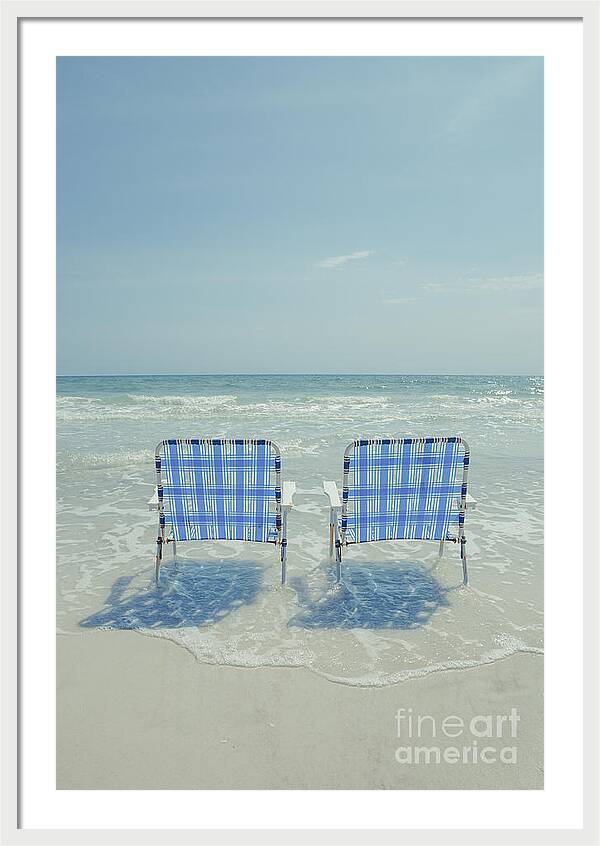
https://edward-fielding.pixels.com/featured/two-empty-beach-chairs-edward-fielding.html
A Commitment to Place
As Fielding notes in his reflections on chair symbolism, choosing a rock on a trail is merely a temporary perch. Building, carrying, or placing a chair, however, represents a deliberate commitment to staying put. With all its joinery and structure, a chair is an invitation to linger—to read the morning paper, share a meal, or build a home. Even when the person is gone, the chair remains as physical proof that someone once claimed that space.
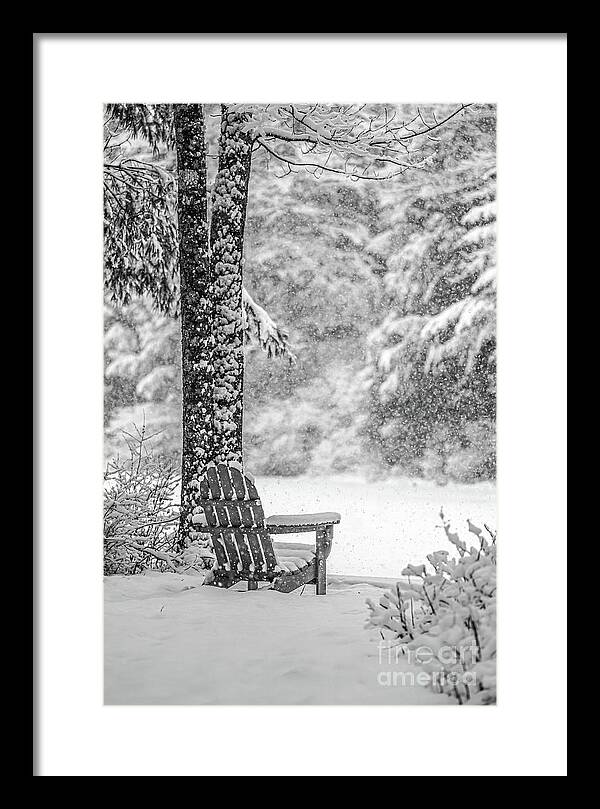
Solitude, Friendship, and Gathering
In Fielding’s visual storytelling, the number and arrangement of chairs completely shift the emotional tone of a scene:
- The Solo Seat: A single chair with no mate, such as in his photograph Diner, speaks to a quiet, solitary existence. Without a second seat nearby, it suggests an occupant who neither expects nor waits for company.
- A Pair for Companionship: In works like Autumn Splendor and Red Chairs by the Lake, two chairs placed side-by-side immediately conjure warmth and friendship. They invite the viewer to imagine two old friends catching up and taking in the scenery together.
- The Social Circle: When multiple chairs are scattered at casual angles, as seen in Bryant Park Chairs NYC, the frame hums with the energy of recent conversation and community interaction.
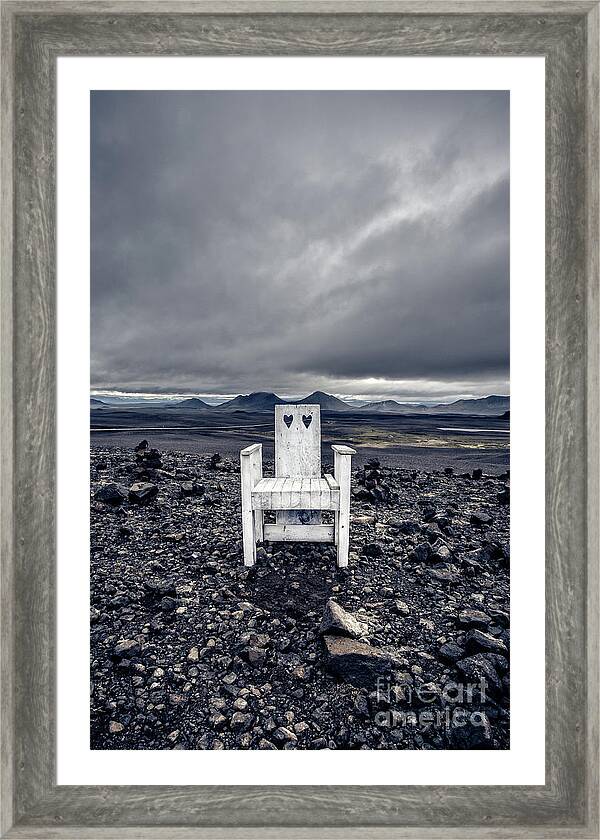
https://edward-fielding.pixels.com/featured/take-a-seat-iceland-edward-fielding.html
Refuge in the Wilderness
Sometimes, Fielding places a chair where you least expect to find one. In Take a seat Iceland, a lone white chair sits amidst a dramatic, rugged landscape. In an unforgiving environment with nowhere else to pause for miles, that single seat becomes an oasis—a symbol of rest, shelter, and a welcoming human touch in the middle of the wild.
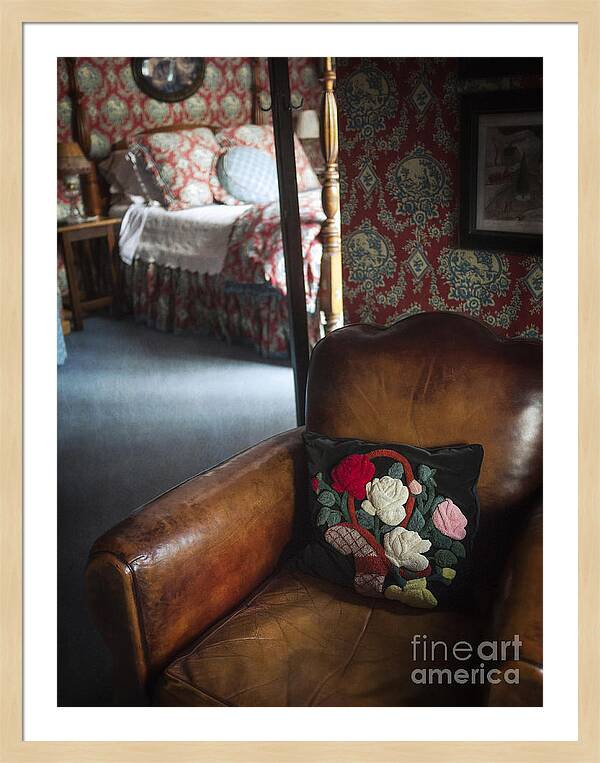
https://edward-fielding.pixels.com/featured/romantic-bedroom-interior-edward-fielding.html
Echoes of Abandonment
Perhaps the most haunting use of the motif appears in Fielding’s ghost town photography. In Chair by the window, taken inside an abandoned home in Grafton, Utah, a broken chair sits facing away from the camera. Here, the empty seat embodies grief and departure, serving as a quiet memorial to the missing townspeople who once lived there.
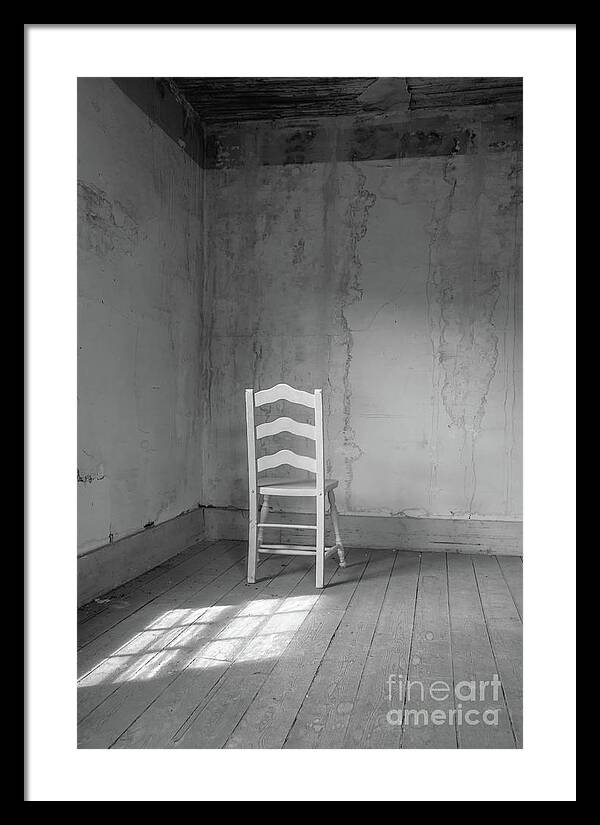
https://edward-fielding.pixels.com/featured/empty-room-empty-chair-edward-fielding.html
Following an Art Historical Tradition
Fielding’s fascination with empty seats connects him to a rich lineage in art history, most notably Vincent van Gogh’s famous 1888 painting Van Gogh’s Chair. Van Gogh elevated an ordinary wooden seat beyond a simple still life into a deeply personal portrait of absence and longing.
Through his lens, Edward M. Fielding continues that tradition. Whether nestled beside a quiet lake, stranded in a desert ghost town, or standing alone in a diner, his empty chairs remind us that the spaces we leave behind continue to tell our stories long after we walk away.
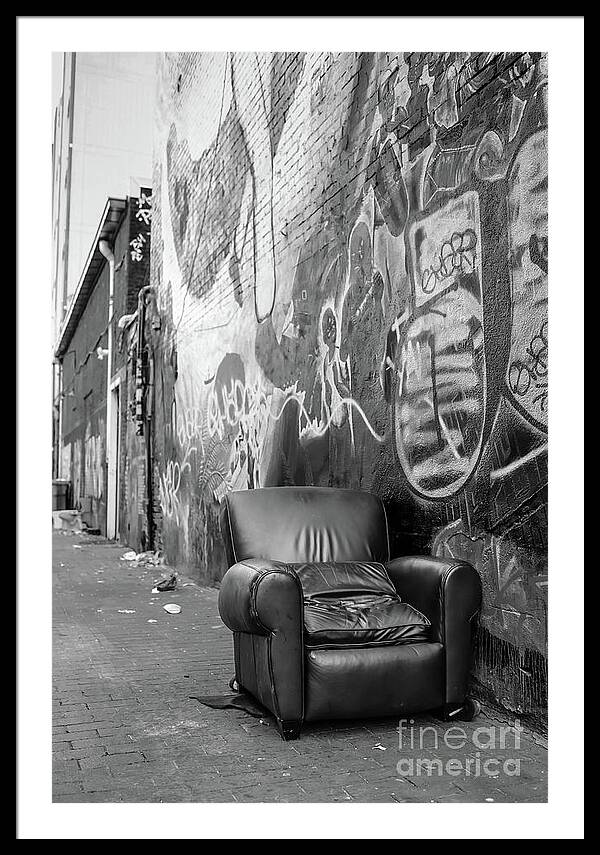
https://edward-fielding.pixels.com/featured/u-street-chair-washington-dc-edward-fielding.html