The Western photography of fine art photographer Edward M. Fielding centers on man-altered landscapes, rustic vernacular architecture, and quiet frontier nostalgia across Montana, Utah, Nevada, and the American Southwest. Rather than chasing pure, untouched wilderness in the vein of Ansel Adams, Fielding explicitly cites the New Topographics movement and Walker Evans’ documentary style as core influences, focusing on weathered structures and human traces left behind on vast open land.
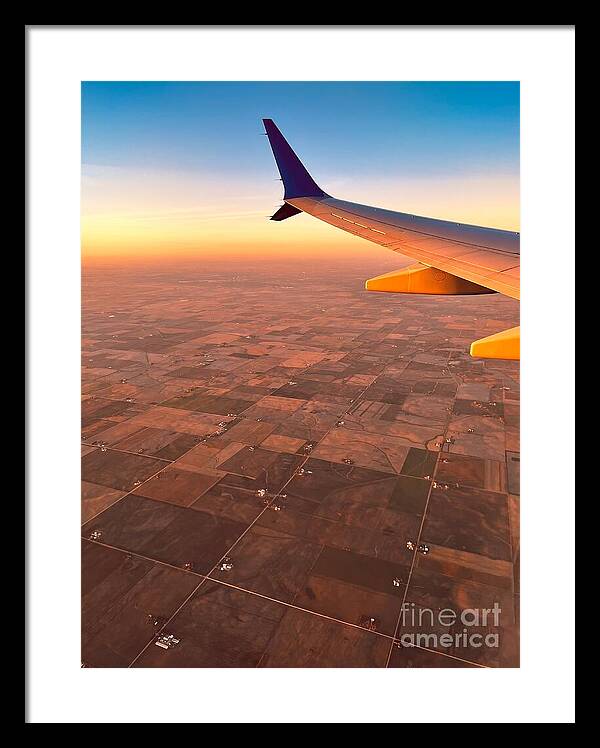
https://fineartamerica.com/featured/fly-over-country-wing-over-sunset-fields-edward-fielding.html
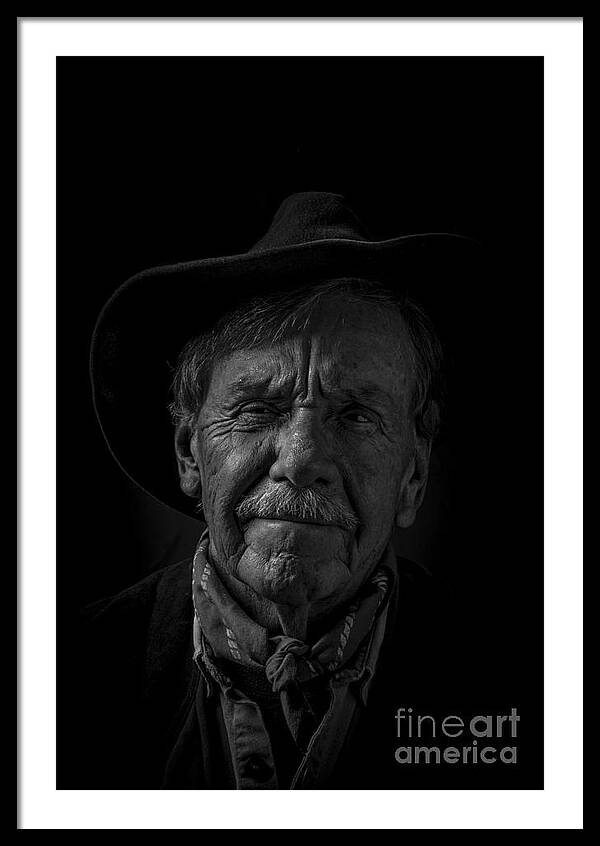
https://edward-fielding.pixels.com/featured/montana-cowboy-edward-fielding.html
Abandoned Frontier Architecture & “New Topographics”
A major pillar of Fielding’s Western portfolio documents old mining towns, ghost towns, weathered barns, and decaying movie sets in Utah, Nevada, and Montana.
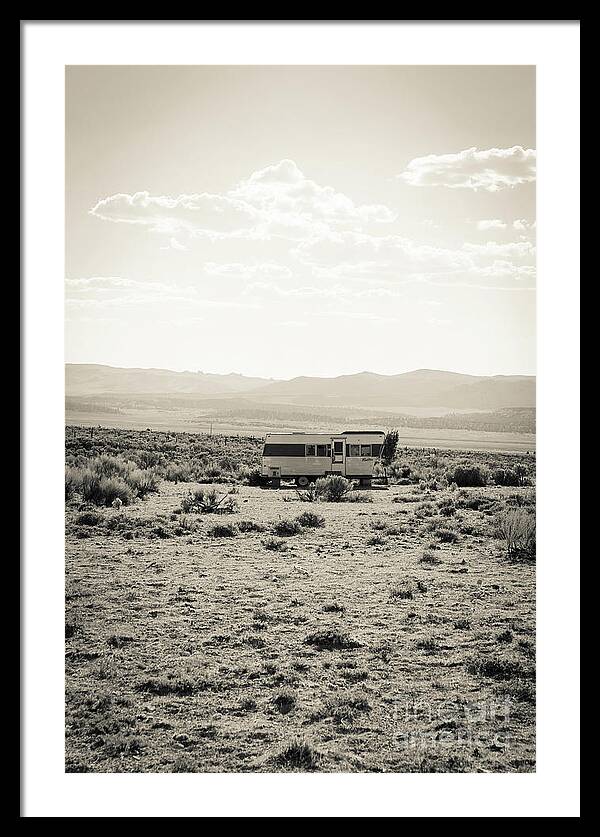
- Human Imprint on the Land. In works like Old Western Building in the Desert and Old Gunsmoke TV Show Western Set Kanab Utah, Fielding centers solitary wooden structures against sweeping desert plains or rugged mountains. He treats these crumbling remnants as honest records of Western history and industry. [1]
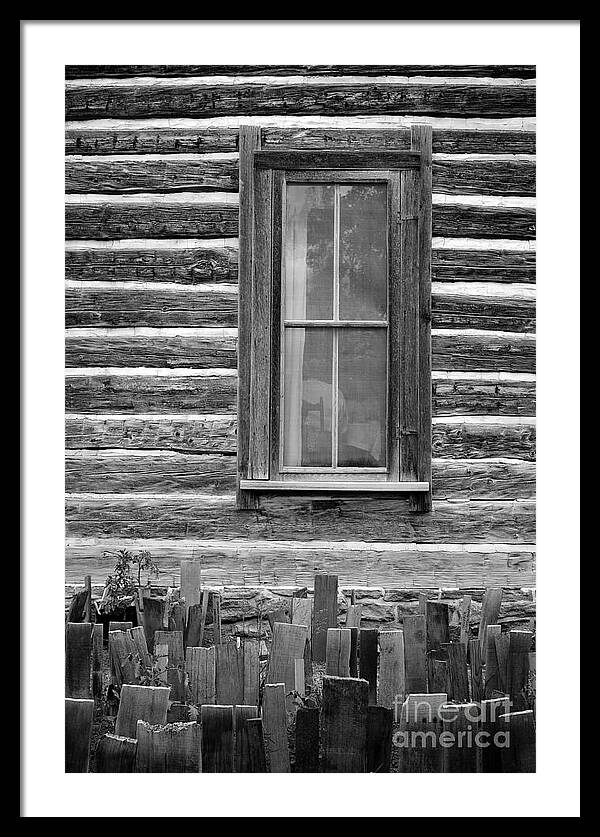
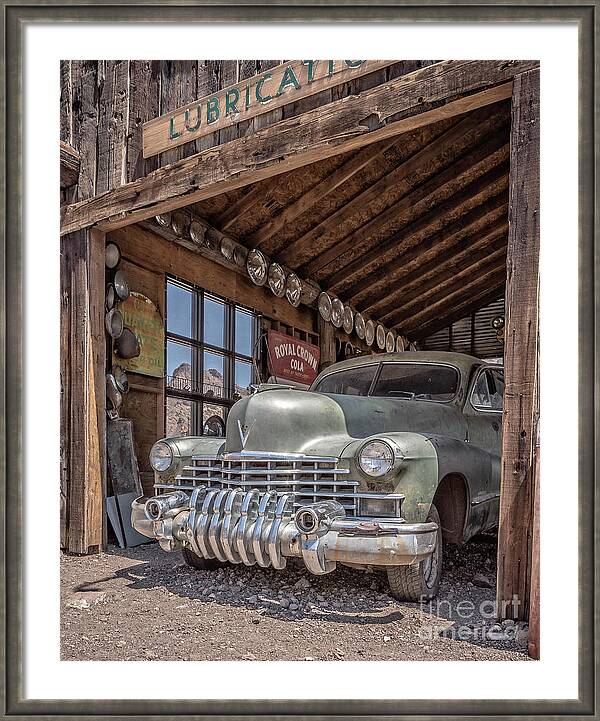
- Textural Realism. Fielding uses crisp natural light to bring out peeling paint, rusted tin roofs, splintered timber, and weathered fence posts, turning everyday decay into tactile visual studies.
- Centered, Documentary Framing. Echoing Walker Evans, he frequently uses straightforward, level compositions that isolate a single barn, ranch gate, or abandoned truck—such as Western Barn Montana and Trusty Old Truck Montana—so the structure stands as a quiet monument against the horizon.
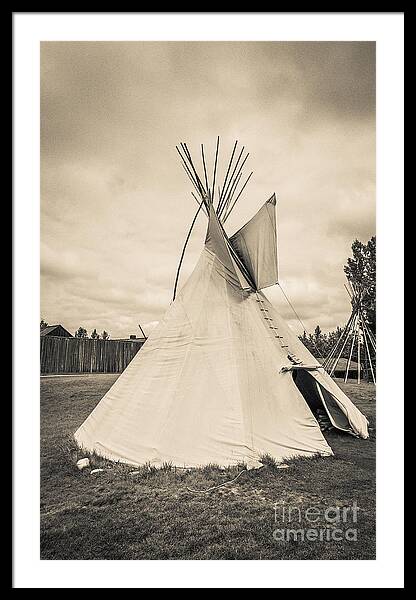
Pastoral Ranch Life & Mythic Cowboy Silhouettes
Alongside his documentary architectural studies, Fielding captures the slower, romanticized rhythms of working ranches and classic Western archetypes.
- Atmospheric Silhouette and Mood. In pieces like Cowboy on the Range, Fielding leans into cinematic Western mythology, framing a lone rider on horseback in stark silhouette beneath a moody, moonlit sky.
- Quiet Rural Scale. When photographing ranch landscapes near Bozeman and Yellowstone—such as Montana Ranch Landscape—he emphasizes the immense scale of open pastures and storm-heavy skies over small, solitary figures like a single grazing horse.
- Muted, Earthy Color Palettes. Rather than oversaturated postcard hues, his Western color work favors dusty ochres, faded sage greens, warm sepia tones, and overcast grays that reinforce a sense of timelessness and solitude.
Key Artistic Takeaways
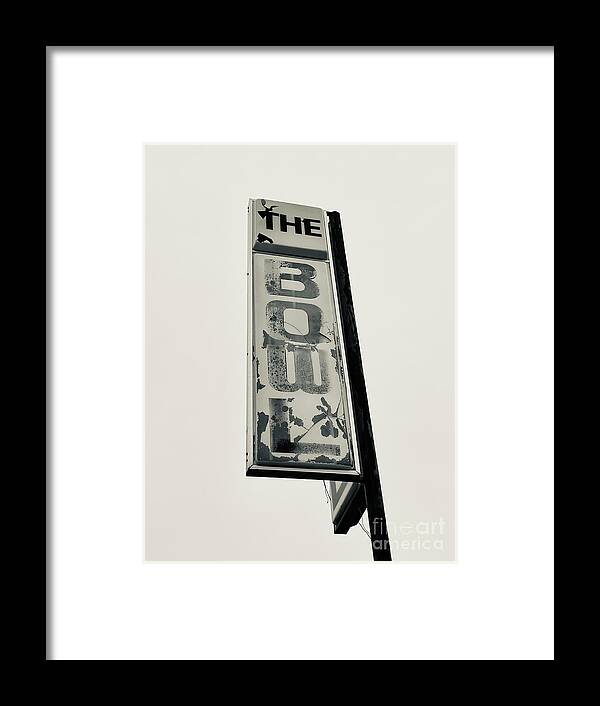
- Anti-Romantic Honesty. Fielding bridges his New England rural sensibility with the American West by focusing on humble working structures—barns, gates, trucks, and mining shacks—rather than grand national park monuments.
- Solitude and Stillness. Human figures are rare or reduced to distant silhouettes, allowing the viewer to experience the quiet isolation of open Western spaces.
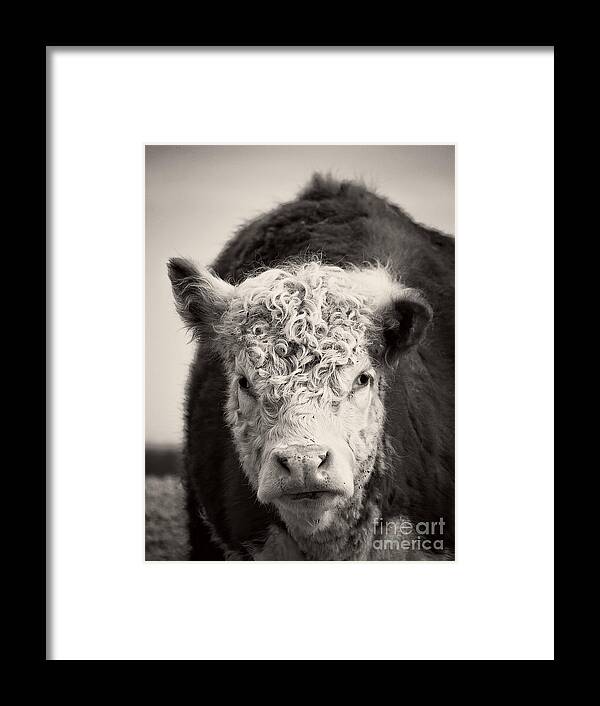
- Consistency Across Genres. Just as in his dog portraiture, Fielding relies on clean subject isolation, strong natural or directional light, and nostalgic storytelling to give ordinary subjects lasting character.
https://edward-fielding.pixels.com/featured/home-home-on-the-range-edward-fielding.html
https://edward-fielding.pixels.com/featured/home-on-the-range-edward-fielding.html
https://edward-fielding.pixels.com/featured/cow-edward-fielding.html