Imagine being a peasant at the end of the Shogunate era. Your parents were peasants – farmers, craftsmen, all in the service of the feudal system ruled by divine leaders, enforced by a military society of samurai whose rank and stature in society is determined by the power to enforce and control the peasantry.
Now imagine the emperor replaces the shogun and wants to modernize the country to Western standards. The samurai are banished, their remaining forces in exile. And you, the peasant, are conscripted and expected to fight the remaining rebel samurai who are staging a rebellion.
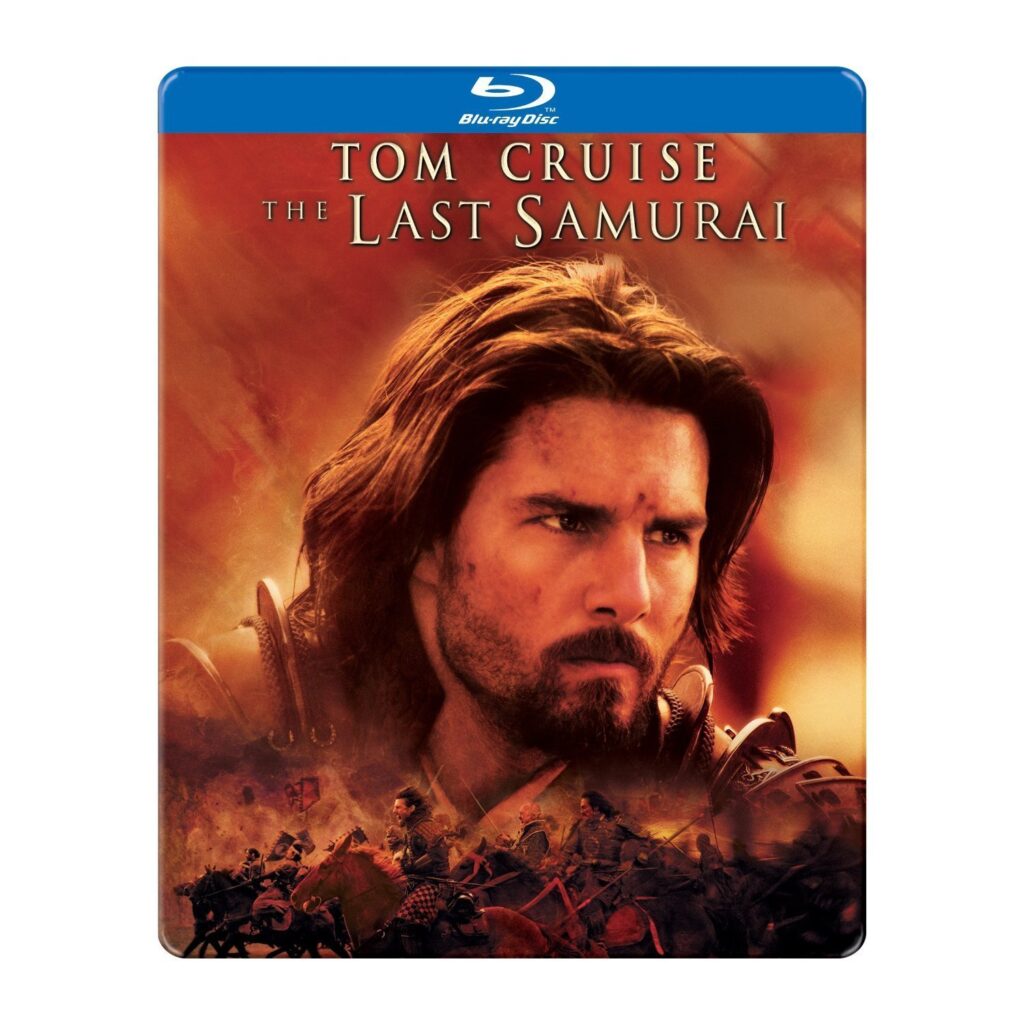
The Last Samurai, a Tom Cruise movie from 2003 depicts this rapidly changing period in Japan’s history, from 900 years of samurai rule, to the bloody and violent change to a modern, Western-style military system. One based less on skill, tradition, and decades of training and more on putting a more powerful weapon into the hands of a farmer.
Generally, the film accurately depicts the forces at work in Japan at the time. There was a final last stand of the samurai. There were Western advisors training conscripted Japanese into a modern army. After decades of isolation, Japan was now open for business with the West and it needed to modernize to do so.
The individual characters depicted in the movie were made up but the major events are based on the real history. Making the Tom Cruise character a former Calvary officer with experience with fighting Native Americans as the United States worked to open the American West to development. The Indians were in the way of “progress” so were these rebellious samurai who clung to the traditional ways while the leadership of Japan worked to modernize the country.
Captain Nathan Algren is a killer. Hired for his fighting skills, but he is also an alcoholic, haunted by the war crimes he witnessed against Native Americans.
Captured by the samurai, the fighter in Nathan Algren grows to respect the samurai’s skills and discipline, just as he had respected the brave adversaries he fought against in the wars in America.
You might say there is a Dancing With Wolves element to the film as while Nathan Algren is captured, he starts to learn about traditional Japanese culture, rather than the mismash of East and West happening in the cities, in the mountain hideout of the samurai rebels, he is the uncultured one who needs to take a bath.
Algren: [narrating] They are an intriguing people. From the moment they wake they devote themselves to the perfection of whatever they pursue. I have never seem such discipline. I am surprised to learn that the word Samurai means, ‘to serve’, and that Katsumoto believes his rebellion to be in the service of the Emperor.
Discipline is what this soldier craves. Discipline of his troops as well as discipline to do what is right. The event of the punitive killing of innocent Native Americans inflicted by his commanding officer in the Indiana wars falls outside of the code of military discipline and serves as a modern-day reminder to American soldiers that they may disobey unlawful commands.
Military service is an honorable profession but it does not mean one has to give up their honor or morals to serve simply as a tool of a leader who would order criminal acts.
As a Westerner, it’s hard to say what was lost when the samurai class fell. Beautiful traditions for sure but still the possibility of upward mobility was achieved with the social freedoms which came from modernization. Under a feudal system, be it Europe in the Middle Ages or Japan, you were what you were born into – a peasant or part of the military ruling class – a knight or a samurai.
Surely Japan’s entry into World War II displays some remnants of it’s militaristic past. As an island nation trying to modernize, the island nation was resource-strapped. Mainly lack of oil (the universal corrupting resource) which led to its invasion of China and a subsequent embargo of oil from the US.
Being an isolated island nation with an agricultural economic base had its benefits, as modernizing seems to have led to a long period of wars over resources.
Emperor Meiji: I have dreamed of a unified Japan. Of a country strong and independent and modern. We have railroads and cannon, Western clothing. But we cannot forget who we are. Or where we come from.
When Captain Algren returns to the city, it’s obvious that the Emperor is simply a puppet of the capitalists who are getting rich modernizing Japan and making deals with the Americans for arms. The only thing stopping their total take over of Japan’s economy is the stubborn samurai who simple refuse to put down their swords.
Doesn’t seem much different than the current world where American influence and weaponry and oil is used by the mega-rich to influence the politics in other countries.
In the end Algren sees the samurai side as having more honor and better intentions so he tosses his lot among them even though they are totally unmatched in troop size and weaponry – bows/arrows and swords vs. canons and gatling guns.