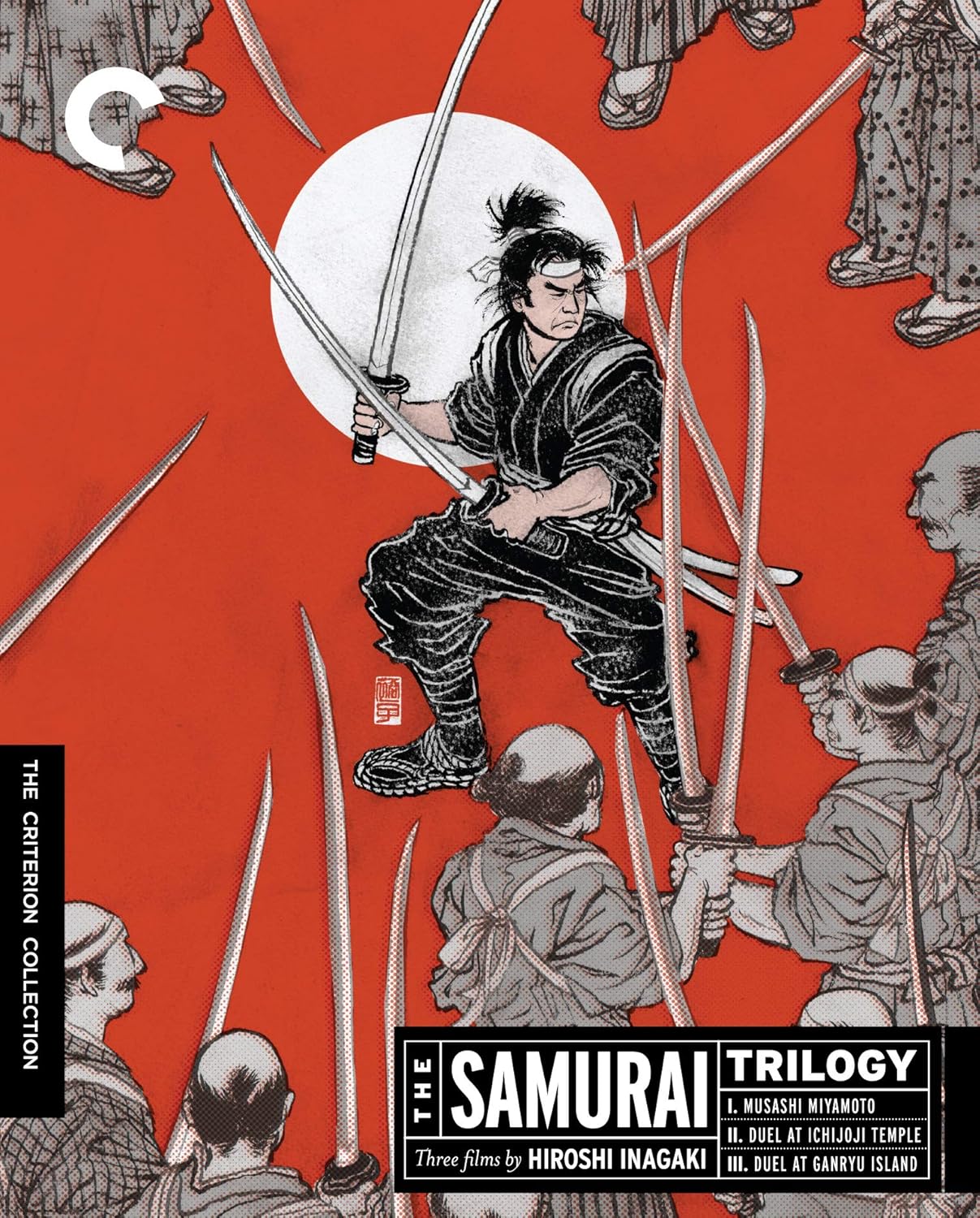
The late 1800s were a tremendous time period of great change and modernization around the world especially in the American West and Japan which creates a ripe atmoshere for storytelling.
The Eastern Samurai and Western Cowboy are both iconic figures in their respective cultures, known for their skill in combat and adherence to a strict code of honor.
While samurai were trained warriors in feudal Japan who served a lord and followed the Bushido code, cowboys were rugged individuals in the American West who lived a nomadic lifestyle and often worked as ranch hands or lawmen.
Both samurai and cowboys were skilled in horseback riding and swordsmanship, but their cultural backgrounds and values differed significantly. Samurai valued discipline, loyalty, and self-sacrifice, while cowboys were often portrayed as independent, self-reliant, and quick to draw their guns in defense of justice.
Despite these differences, both samurai and cowboys have become enduring symbols of bravery and heroism in their respective cultures.
Watching a Samurai movie, a Western viewer can’t help but to think, “gee this storyline reminds me of a Western”. Or vice versa, those from the Far East must see similar tales. Stories of revenge, justice, duty, the decline of a way of life, changing landscapes, modernization, the end of rule by weapon – gun or Samurai sword, wilds becoming tamed.

In fact, many Westerns are remakes of Samurai movies and some Samurai movies are remakes of Westerns such as:
- The Magnificent Seven (1960) – Seven Samurai (1954)
- A Fistful of Dollars (1964) – Yojimbo (1961)
- Blindman (1971) – Adventures of Zatoichi (1964)
- Unforgiven (1992) – Unforgiven (2013)
- Requiem for a Gringo (1968) – Harakiri (1962)
The time frame of the taming of the West period, especially in the years following the end of the Civil War in 1865 when many soldiers returned to a war ravaged home and looked to a new start in the expanding Western frontier. Especially those familiar with firearms and living roughly.
The promise of free land also encourage people to move out West. The Homestead Act of 1867 which promoted individual land ownership by allowing any adult U.S. citizen (or intended citizen) to claim up to 160 acres of government land if they occupied it for five years and made improvements to it.
All of this change, movement, and the clashing of peoples and agendas all make for ripe storytelling.
The taming of the West refers to significant events and developments in the American West, particularly during the period from the 1800s to the early 1900s. Key events include:
- The Louisiana Purchase in 1803 expanded U.S. territory westward.
- The California Gold Rush in 1848 led to a massive influx of settlers and conflicts with Native Americans.
- The Indian Removal Act of 1830 aimed to forcibly relocate Native American tribes.
- The Civil War and subsequent conflicts that shaped the region’s history and the expansion of American power.
So too in Japan were forces of massive changes afoot in this time period.The 1800s were a transformative period for Japan, marked by the end of isolationism, the Meiji Restoration, and rapid modernization in response to Western influence.
In the Late Edo Period (1603-1868), Japan was controlled by the Tokugawa shogunate which enforced strict isolation from foreign influence and trade.
The country was still in a feudal system where a military hierarcy of the samurai class held significant power. Many of the samurai movies feature the wanying perod of the Tokugawa regiem, a time of social upheaval and the decline of the samurai class. Many of the heros of samurai movies are “ronin” or masterless samurai who once were at the top of the social food chain but not are forced to seek meager employment as security or police forces. You also have the influence of superior weapons such as rifles and artilery becoming more of a force as such making swordsmanship less important.
- 1853 – American Commodore Matthew Percy opens Japan to trade with America
- 1868 – The Meiji Restoration – Tokugawa shogunate over thrown.
- 1873 – Military modernized with conscription and universal service rather than the samurai-dominated military
- 1877 – Satsuma Rebellion, also known as the Seinan War – the last stand of the samurai
One film stands out for its depiction of this time period and blends Western warfare with the conflicts in Japan, “The Last Samurai” (2003) staring Tom Cruise.
The film’s plot was inspired by the 1877 Satsuma Rebellion, led by Saigō Takamori, and the Westernization of Japan by foreign powers. The Cruise character loosely based on Eugène Collache and Jules Brunet, both French Imperial Guard officers who fought alongside Enomoto Takeaki in the earlier Boshin War.
The movie receives mixed reviews from critics but movie fans give it an 83% on Rotten Tomatoes.

I remember when this movie first came out, I couldn’t wrap my head around the idea that there were still sword carrying armies in Japan but the isolation from the rest of the world up to the mid-1800s kept Japan trade in a feudal, military based society with agrarian economy. One typically associates that with Europe 300 or 400 years earlier.