Are Japanese samurai films new to you? Think of them as “Easterns” to Hollywood’s “Westerns”. They have a lot of the same themes – guns for hire, frontier justice, a vanishing way of live, violence, honor, revenge, power, cheap life – often American Westerns stole plots from Samurai films and made them into Westerns. It’s a rich genre of stories to explore and to learn about another culture. To get you started, here are some fantastic samurai movies.
By the way, you might notice that Samurai movies like odd numbers – the last, 3, 7, 13, 47!

The ultimate classic, Seven Samurai (1954), pits a small group of fighters against an army in order to defend a small village. Hollywood turned it into the Western with The Magnificent Seven (1960) and one of the first episodes of The Mandolorian uses a similar plot of a small band of warriors protecting a villiage under seige by a large band of bad guys.

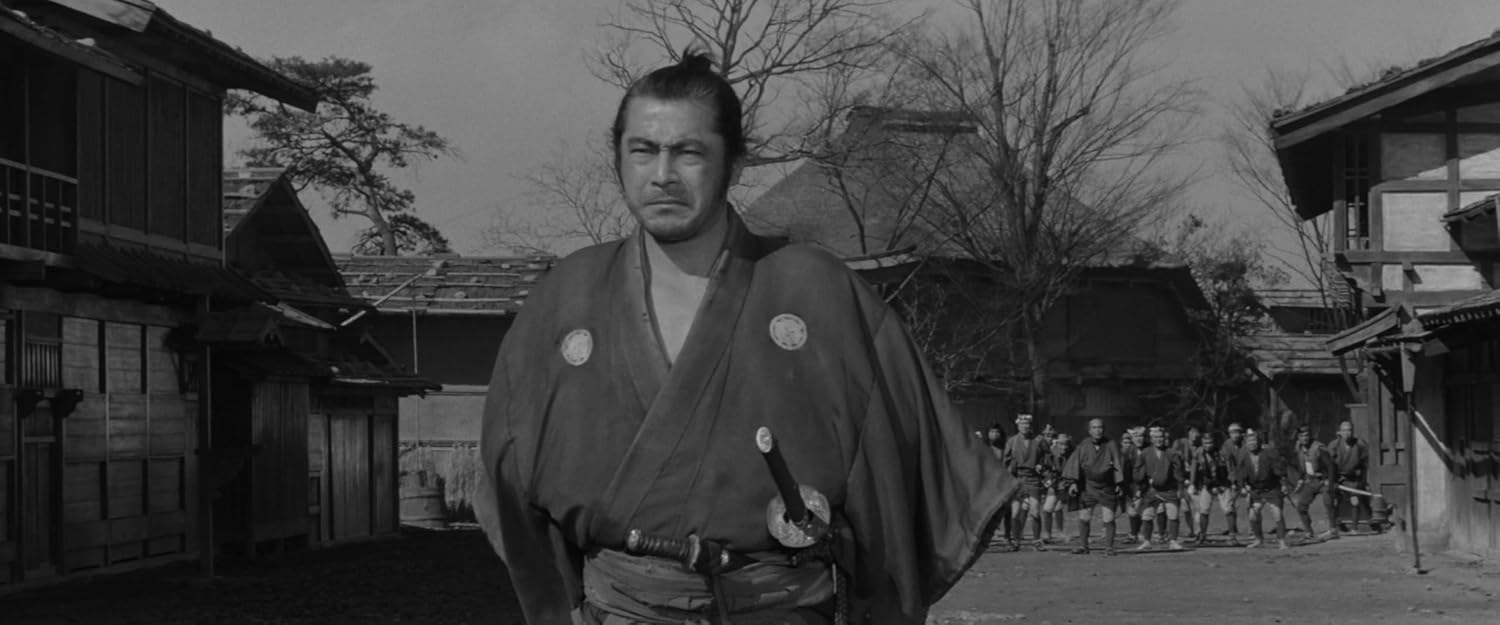
Yojimbo (1961): Another timeless work. You’ll be astounded by how completely Sergio Leone plagiarized Akira Kurosawa if you watch it as a double feature with A Fistful of Dollars.


Another classic and one of my favorites is Three Outlaw Samurai (1964). In an effort to obtain relief from crippling taxes, a group of farmers kidnap the magistrate’s daughter, and three samurai assist them.

The 1972–1974 Lone Wolf & Cub movie series was based on a great manga and consisted of six films. The Mandolorian main storyline of a warrior protecting a baby is similar. In Lone Wolf & Cub, a father carries his son while avenging the death of his wife.

You simply must see this. It has been imitated in numerous films and TV shows, such as The Mandalorian and Jet Li’s New Legend of Shaolin.
The Blind Swordsman: Zatoichi (2003) There have been many versions of this story, but I recommend starting with the 2003 film.

The Samurai Trilogy – The Samurai Trilogy, directed by Hiroshi Inagaki (The Rickshaw Man) and starring the inimitable Toshiro Mifune (Seven Samurai), was one of Japan’s most successful exports of the 1950s, a rousing, emotionally gripping tale of combat and self-discovery. Based on a novel that’s often called Japan’s Gone with the Wind, this sweeping saga fictionalizes the life of the legendary seventeenth-century swordsman (and writer and artist) Musashi Miyamoto, following him on his path from unruly youth to enlightened warrior. With these three films—1954’s Oscar-winning Musashi Miyamoto, 1955’s Duel at Ichijoji Temple, and 1956’s Duel at Ganryu Island—Inagaki created a passionate epic that’s equal parts tender love story and bloody action.

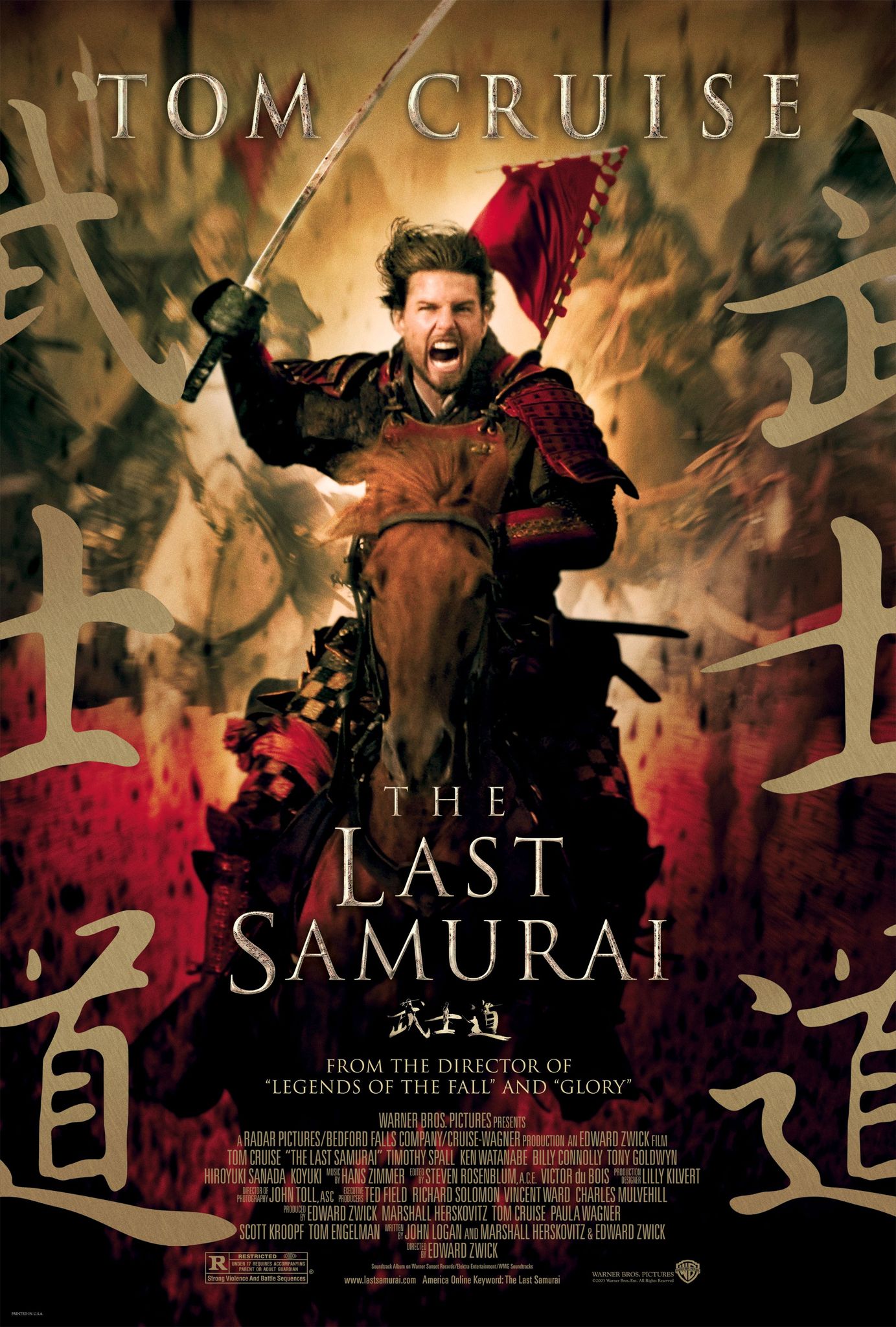
The Last Samurai: Tom Cruise’s character discovers and values a foreign culture, which is a theme similar to Dances With Wolves. The plot of the movie was influenced by the Satsuma Rebellion of 1877, which was led by Saigō Takamori, and the Westernization of Japan by foreign powers.
Cruise portrays Nathan Algren, an American captain of the 7th Cavalry Regiment, whose personal and emotional conflicts bring him into contact with samurai warriors in the wake of the Meiji Restoration in 19th century Japan.
More to Explore:
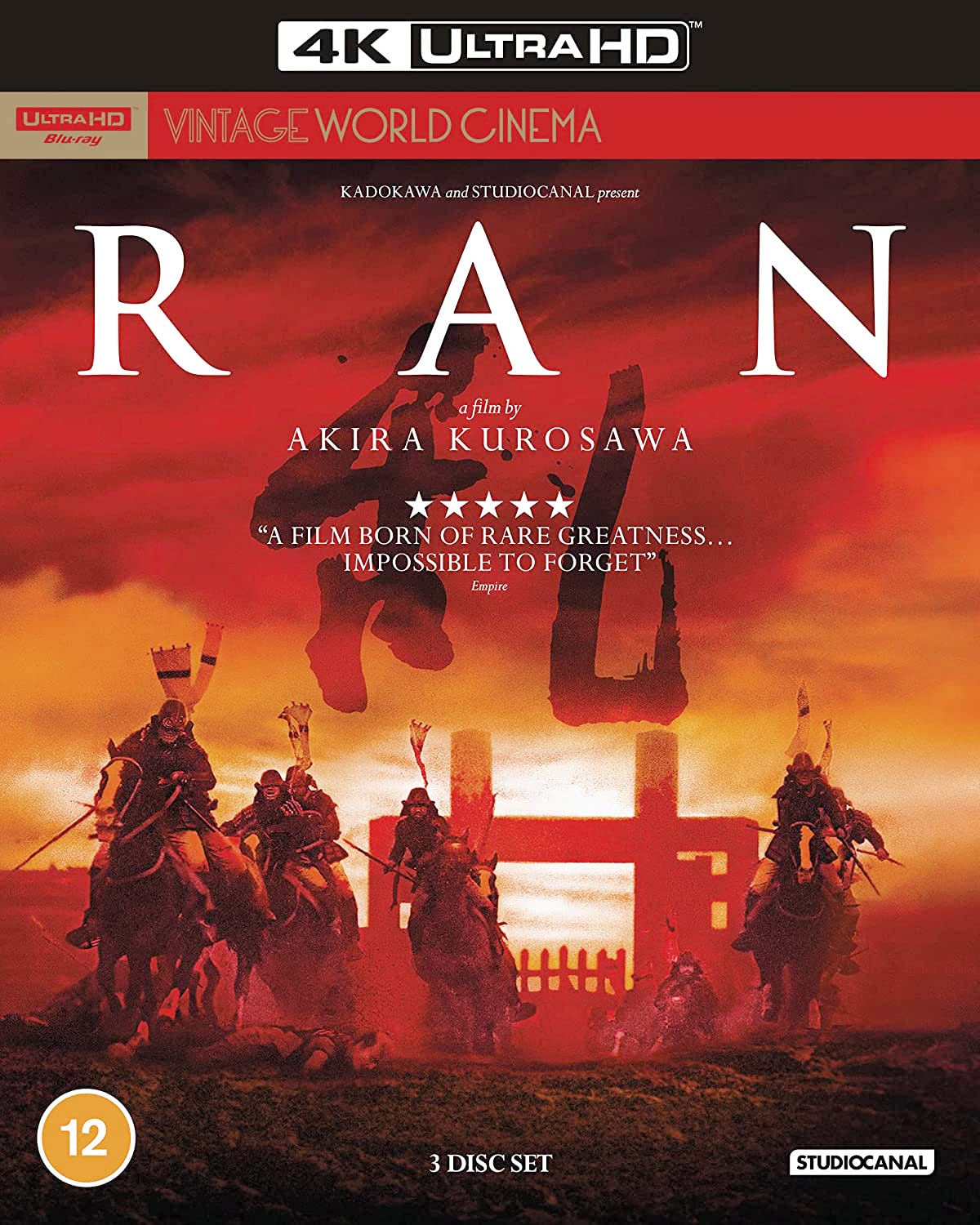
RAN – Shakespeare’s “King Lear” is masterfully transposed to feudal Japan by Akira Kurosawa in this story of an aging lord (Tatsuya Nakadai) whose plan to pass down his kingdom to his sons quickly falls apart. After outbursts of mistrust, jealousy, and anger fracture everyone’s loyalties to one another, the monarch steadily loses his grip on reality and brings about the chaotic and violent destruction of his reign. Visually powerful epic!
Kagemusha – When a warlord dies, a peasant thief is called upon to impersonate him, and then finds himself haunted by the warlord’s spirit as well as his own ambitions.

Harakiri – Following the collapse of his clan, an unemployed samurai (Ran’s Tatsuya Nakadai) arrives at the manor of Lord Iyi, begging to commit ritual suicide on his property. Iyi’s clansmen, believing the desperate ronin is merely angling for a new position, try to force him to eviscerate himself— but they have underestimated his beliefs and his personal brand of honor.


The Sword of Doom – Tatsuya Nakadai (Harakiri) and Toshiro Mifune (Yojimbo) star in the story of a wandering samurai who exists in a maelstrom of violence. A gifted swordsman plying his craft during the turbulent final days of shogunate rule in Japan, Ryunosuke (Nakadai) kills without remorse or mercy. It is a way of life that ultimately leads to madness. Kihachi Okamoto’s swordplay classic is the thrilling tale of a man who chooses to devote his life to evil.
The shogunate era was a period in Japan’s history when military rulers, called shoguns, held power for nearly 700 years. The shogunate era lasted from 1192 to 1867.

47 Ronin – Keanu Reeves stars in the action-adventure epic, 47 Ronin. After a treacherous warlord kills their master and banishes their kind, 47 leaderless samurai vow to seek vengeance and reclaim their honour. This band of ronin must seek help from Kai (Reeves)—an enslaved half-breed they once rejected—in their ultimate fight for redemption in a savage world of mythic and wondrous terrors. Kai becomes their most deadly weapon and the heroic inspiration for these outnumbered warriors to confront their enemy and seize eternity.

13 Assassins – Cult director Takashi Mike (ICHI THE KILLER, AUDITION) delivers a bravado period action film set at the end of Japan’s feudal era in which a group of unemployed samurai are enlisted to bring down a sadistic lord and prevent him from ascending to the throne and plunging the country into a wartorn future.