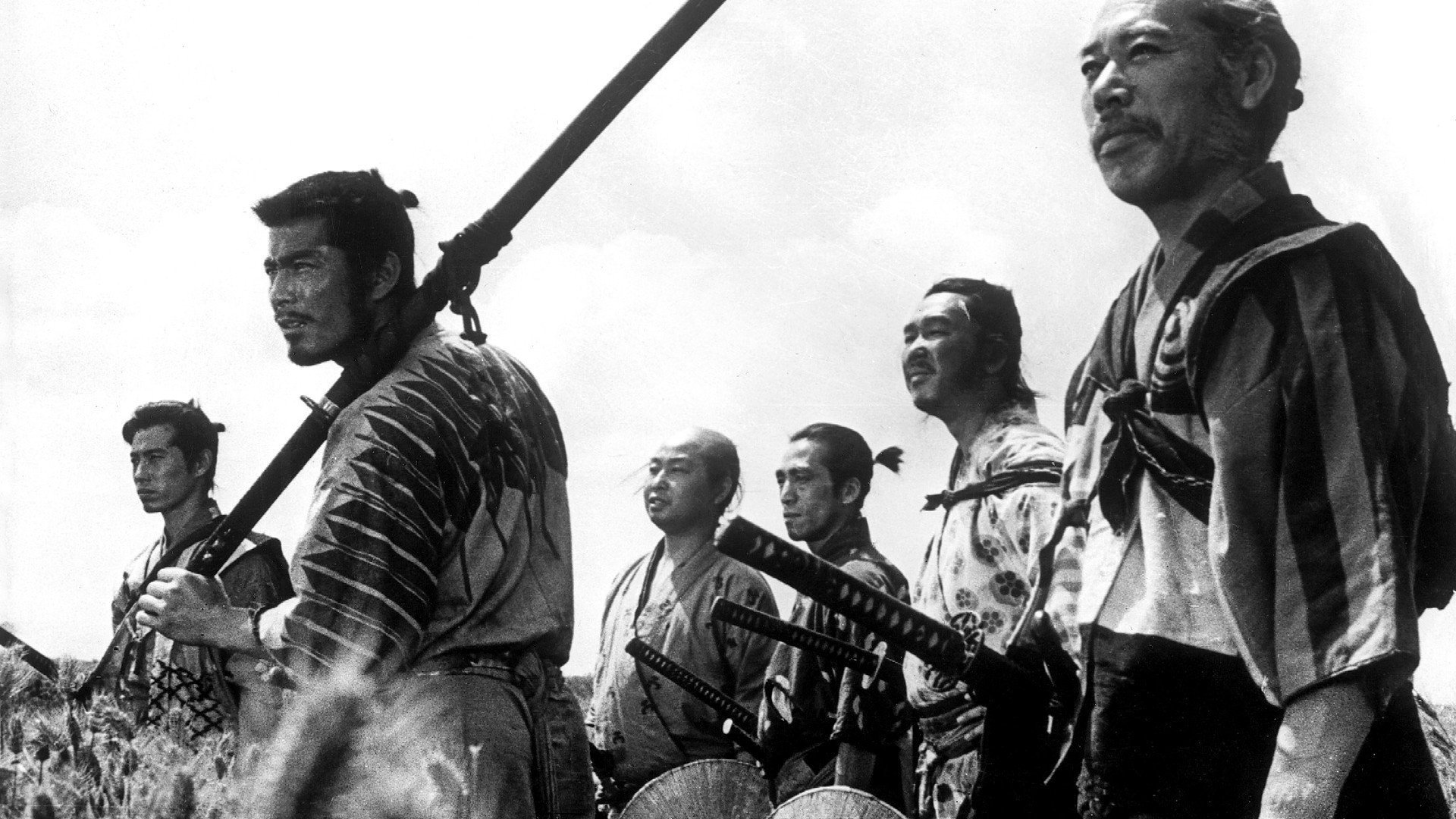
Two of the all-time greatest films were released in 1954 in Japan. One was the start of a 38+ film series and the other was one of the most endearing films ever made and spun off countless retelling and inspired films and TV shows.
Both Godzilla and Seven Samurai explore themes of resilience in the face of destruction, the struggle against overwhelming forces, and the cost of survival. Godzilla presents humanity’s confrontation with the consequences of its own hubris—an unstoppable force of nature unleashed by nuclear experimentation. In contrast, Seven Samurai delves into the plight of the vulnerable, as a group of skilled warriors defends a helpless village from ruthless bandits. Despite their differences—one a kaiju film, the other a samurai epic—both films highlight sacrifice, duty, and the fight to preserve community and honor in a world fraught with danger. They share an underlying message about strength—whether through unity or sheer willpower—against seemingly insurmountable odds.

Godzilla
The giant monster film that started an entire industry of Japanese monster, or kaiju, films and spinoffs including TV series such as Ultraman.
The Godzilla series of films are recognized by the Guinness World Records as the “longest continuously running film series”, having been in ongoing production since 1954. Think of it, even more than the James Bond series of movies!
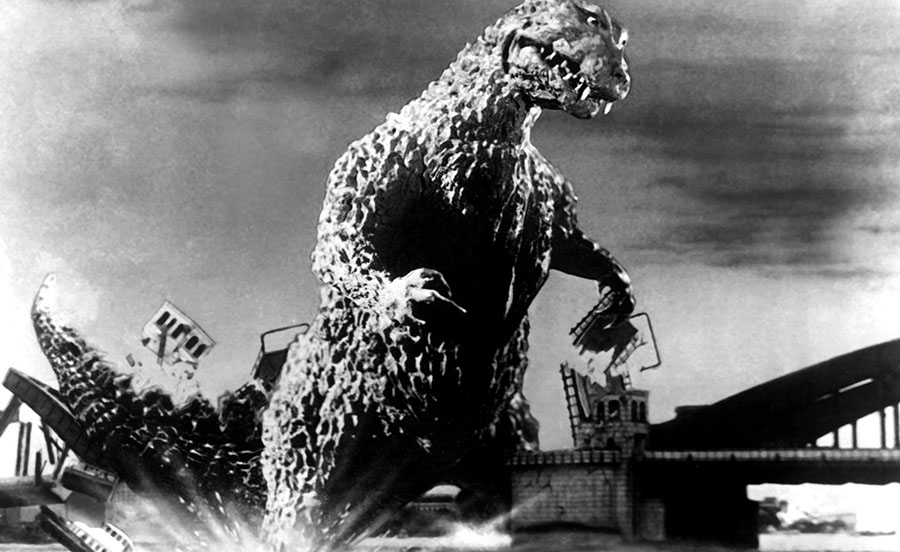

Godzilla: The Showa-Era Films, 1954–1975 (The Criterion Collection) [Blu-ray]

The latest Godzilla film out of Japan was a prequel to the original 1954 movie. Godzilla Minus One
Seven Samurai
The other enduring film from the 1954 Japan film industry was Seven Samurai. Akira Kurosawa’s tale of courage and hope—one of the most thrilling movie epics of all time—featuring legendary actors Toshiro Mifune and Takashi Shimura as warriors hired to protect a village from invading bandits

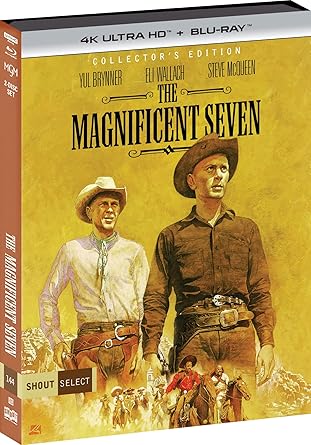
Originally inspired by the Westerns of John Ford, Akira Kurosawa’s masterpiece came full circle when it was remade as the successful Hollywood Western, The Magnificent Seven (1960) .
Academy Award® winner Yul Brynner stars in the landmark Western that launched the film careers of Steve McQueen (The Great Escape), Charles Bronson (The Dirty Dozen), and James Coburn (Affliction). Tired of being ravaged by an army of marauding bandits, the residents of a small Mexican village seek help from seven American gunfighters. The only problem? It’s seven against 50! Also featuring Eli Wallach (The Good, the Bad and the Ugly) and Robert Vaughn (The Man from U.N.C.L.E.), and set against Elmer Bernstein’s Oscar®-nominated score, director John Sturges’ thrilling adventure.
A more recent “remake” can be found in the plot of “A Bug’s Life” where grasshoppers stand in as the bandits, send Flick the ant to find some “warrior bugs” to help defend the colony and in the end the ants have to learn to defend themselves.
There’s even a line in the movie, “They come, they eat, they leave, that’s our lot in life” that makes a direct reference to the quote in Seven Samurai, “Farmers are born to suffer, that’s our lot in life”.
It is this sense of helplessness or low self-esteme that the Seven Samurai, The Magnificant Seven and the “Warrior bugs” help the self-doubting villiagers/colony/farmers overcome.

Another show that dipped into the Seven Samurai for plot inspiration is Season One, Episode 4 of Star Wars “The Mandalorian“ where once again a few warriors have to help the locals learn to defend themselves.
Elements of this can also be found in Mel Brooks’ comedy Blazing Saddles when the Western town hires some protection and creates traps for the invading bandits.